Source Eco Friendly Rubber Massage Ball for Daily Use, Home Gym, Relaxing
Compare 30 listings of eco friendly rubber massage ball options from verified Chinese suppliers. Buyers can evaluate specifications like TPE and PVC materials, varying weights, and customization features for daily use, home gym, and relaxing applications.
Key considerations
Products List






Comprehensive Sourcing Guide
Strategic Sourcing Guide for Eco-Friendly Rubber Massage Balls
Understanding Product Variants and Technical Specifications
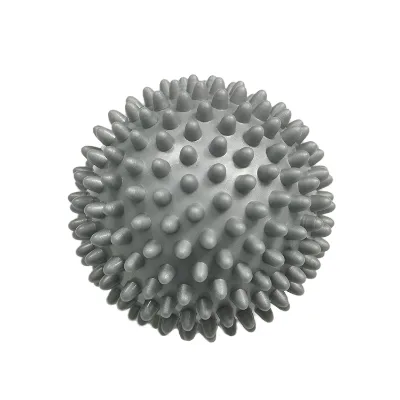
When sourcing eco-friendly rubber massage balls, buyers must first navigate a complex landscape of product variations that often share similar core functions but differ significantly in technical specifications. The market offers items ranging from simple round silicone or TPE (Thermoplastic Elastomer) spheres to more complex textured designs like spiky massage balls. A critical observation in the current supply base is the diversity in material composition. While the core keyword specifies "rubber," many high-volume listings utilize TPE or PVC, which are distinct from natural rubber. TPE is frequently cited for its durability, stability, and lightweight properties, making it a popular choice for vibration and exercise applications. Conversely, PVC options are also prevalent, often associated with specific weight ranges and color standardization.
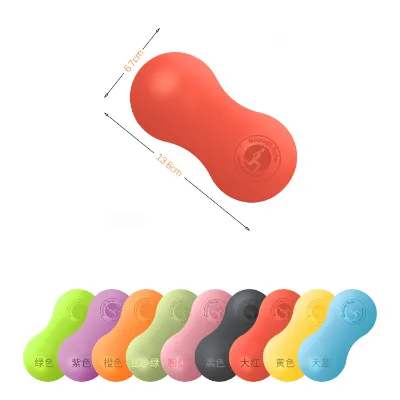
The physical dimensions of these products vary widely, directly impacting their intended use cases. Specifications observed in the market include diameters ranging from approximately 4.6 cm to 10 cm, with some elongated models reaching lengths of 15.3 cm. Weight is another critical differentiator, with individual units ranging from as light as 29 grams to heavier variants weighing up to 384 grams. For instance, a standard round silicone vibrating massage ball might weigh around 150 grams, while a spiky massage ball designed for deep tissue work could be heavier or lighter depending on the density of the material and the size of the spikes. Buyers should not assume a single weight or size applies to all "eco-friendly" claims; instead, they must verify the specific model number, such as GM4259 or P01, to ensure the physical attributes match the intended application, whether it is for daily home use, home gym routines, or professional relaxation therapy.
Compliance and Certification Verification
In the realm of eco-friendly products, compliance is not merely a marketing buzzword but a fundamental requirement for market access and consumer safety. When evaluating potential suppliers, buyers must rigorously verify that the products meet established safety standards. The supply chain for massage balls often references certifications such as SGS, BPA Free, FDA, and RoHS. These standards are critical because they ensure the materials do not leach harmful chemicals during use, which is particularly important for products that come into direct contact with the skin.
Furthermore, specific regional compliance is essential. For markets in North America, the California Proposition 65 (Ca 65) warning is a mandatory consideration, indicating that the product has been tested for specific chemicals known to cause cancer or reproductive harm. Similarly, the European Union's REACH regulation is a key benchmark for chemical safety. The presence of a "Non Toxic and Eco-Friendly" attribute in product descriptions should be substantiated by these third-party certifications rather than accepted as a self-declared claim. Buyers should request current test reports that explicitly link the specific model number to the certification. It is also important to note that while some products are described as "BPA Free," the broader "Eco-Friendly" designation requires verification of the material lifecycle, including the recyclability of the TPE or rubber used. Without documented proof of these standards, the "eco-friendly" label remains an unverified observation rather than a guaranteed attribute.
Cost Drivers and Pricing Dynamics
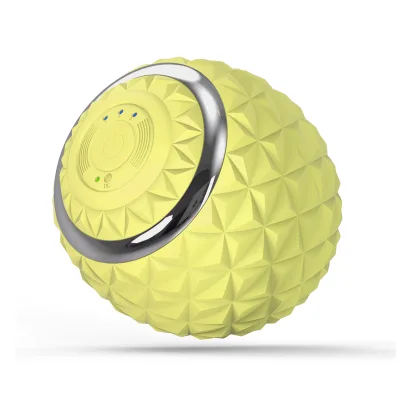
The pricing structure for eco-friendly massage balls is influenced by a confluence of factors, including material costs, customization levels, and order volume. The observed price range in the market spans from $0.10 to $16.80 USD, a significant variance that reflects differences in product complexity and order scale. The primary cost driver is the material itself; TPE and specialized rubber compounds often command a premium over standard PVC, especially when they are certified as non-toxic and eco-friendly. Additionally, the inclusion of electronic components, such as vibration motors, will significantly increase the unit cost compared to static massage balls.
Customization is another major factor affecting the final price. Suppliers that offer OEM (Original Equipment Manufacturer) and ODM (Original Design Manufacturer) services typically charge higher unit prices due to the setup costs for molds, logo printing, and color customization. The ability to customize the color to match a brand identity or to add a specific logo is a high-value feature, but it requires a higher Minimum Order Quantity (MOQ) to be economically viable. The observed MOQ range of 10 to 3,000 units indicates that small buyers can access these products with low entry barriers, but the per-unit cost will likely be higher. Conversely, larger orders benefit from economies of scale, reducing the cost per unit. Buyers must balance the desire for customization against the budget constraints, understanding that the lowest price point often corresponds to standard, non-customized products with basic specifications.
Typical Applications and Usage Scenarios
The versatility of massage balls allows them to serve a wide array of applications, from general wellness to specialized fitness training. The "Daily Use" and "Home Gym" categories are the most common, where the product serves as a tool for myofascial release, muscle relaxation, and stress relief. The "Vibration & Exercise & Relaxing" functionality highlights a dual purpose: active muscle engagement and passive recovery. For fitness enthusiasts, the spiky variants are often used for trigger point therapy to alleviate muscle tension and improve circulation. The round, smooth variants are preferred for general rolling and relaxation.
Specific product models are tailored to these diverse needs. For example, a model with a diameter of 6.3 cm might be ideal for targeting smaller muscle groups in the hands or feet, while a larger 10 cm ball is better suited for broad muscle groups like the back or thighs. The weight of the ball also dictates its application; lighter balls (e.g., 29g or 46g) are suitable for delicate areas or travel, whereas heavier balls (e.g., 384g) provide more resistance for deep tissue work. The "Bodybuilding Fitness" usage tag suggests that these tools are increasingly integrated into strength training routines to enhance mobility and recovery. Buyers should align their procurement with the specific end-user needs, ensuring that the selected model's size, weight, and texture match the intended therapeutic or fitness outcome.
Supplier Evaluation and Operational Capabilities
Evaluating suppliers requires a focus on their operational capabilities, including production time, sample availability, and logistics. A reliable supplier should demonstrate flexibility in their sample process, with typical sample times ranging from 5 to 7 days. This allows buyers to physically inspect the product quality, verify the "Non Toxic" claims, and test the functionality before committing to a large order. Production time, however, is variable and depends heavily on the quantity ordered. Buyers must clarify the lead time for their specific volume to ensure it aligns with their inventory planning.
Logistics is another critical area for evaluation. Suppliers typically offer a range of shipping methods, including DHL, TNT, UPS, FedEx, or sea freight. The choice of shipping method impacts both the cost and the speed of delivery. For urgent orders, air freight via couriers is necessary, while bulk orders are more cost-effective via sea freight. The packaging is also a key consideration; standard packaging often involves cartons containing 48 pieces, which must be robust enough to protect the product during transit. Additionally, the origin of the product, such as Xiamen, Jiangsu, or Shanghai in China, can influence the supply chain dynamics, including proximity to ports and the efficiency of local logistics networks. Buyers should verify the supplier's ability to handle the specific shipping requirements of their target market to avoid delays or damage.
Quality Control and Long-Term Procurement Considerations
Ensuring consistent quality is paramount in the procurement of massage balls, particularly when dealing with materials that claim to be eco-friendly. Quality control should begin with the verification of material composition. Buyers must confirm that the TPE or rubber used meets the stated safety standards, such as being BPA Free and RoHS compliant. The physical attributes, such as the "Durable, Stability, Lightweight" characteristics, must be validated through physical testing to ensure the product does not degrade quickly or lose its shape after repeated use.
Long-term procurement considerations involve building a sustainable relationship with suppliers who can maintain quality over time. This includes verifying the consistency of the "Custom" color options and the precision of the logo customization. The ability of the supplier to handle repeat orders with the same specifications is crucial for brand consistency. Furthermore, buyers should consider the environmental impact of the packaging and the product lifecycle. While the product itself may be eco-friendly, the packaging (often cardboard cartons) should also be sourced responsibly. Finally, the supplier's responsiveness to quality issues and their willingness to provide updated test reports for future batches are essential indicators of a reliable long-term partner. By focusing on these factors, buyers can secure a supply chain that delivers high-quality, safe, and sustainable massage balls that meet the evolving needs of the market.
FAQs
What certifications verify the eco-friendly safety of these massage balls?
Products often carry SGS, BPA Free, FDA, RoHS, Ca 65, and Reach certifications to ensure safety. These standards confirm the items are non-toxic and compliant with international chemical regulations for skin contact.
Which materials are commonly used for these vibration and exercise balls?
The supply base frequently utilizes TPE and PVC materials rather than natural rubber. TPE is noted for being durable, stable, and lightweight, while PVC options are also prevalent for specific weight and color requirements.
Can buyers customize the color and logo on these massage products?
Yes, customization for color and logo is available for most models. Suppliers accept OEM and ODM requests, allowing brands to specify standard colors or unique designs, though this may affect the minimum order quantity.
What is the typical sample time for evaluating product quality before bulk orders?
The standard sample time ranges from 5 to 7 days for most suppliers. This allows buyers to verify physical attributes like weight and texture before committing to larger production runs that depend on quantity.
How do product dimensions vary across different model specifications?
Dimensions vary significantly, with diameters ranging from 4.6 cm to 10 cm and some elongated models reaching 15.3 cm. Specific models like GM4259 or P01 have distinct sizes tailored for different muscle groups.
What is the observed price range for these massage balls in the market?
The observed price range spans from 0.1 to 16.8 USD depending on complexity and volume. Lower prices typically apply to standard non-customized items, while vibration features or custom branding increase the unit cost.